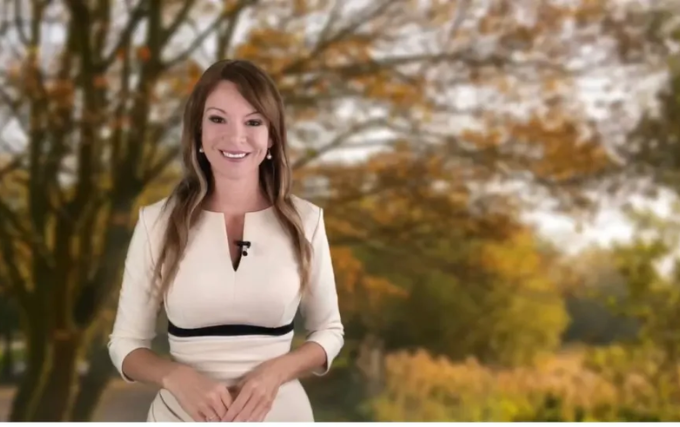
Elizabeth Rizzini is a well-known British weather presenter recognized for her work on BBC London, where she delivers forecasts with clarity, warmth, and professionalism. Over the years, her growing visibility on television has sparked increasing public interest not only in her career but also in her personal life. One topic that has repeatedly surfaced in online searches is “elizabeth rizzini disability,” prompting questions about her health and overall wellbeing.
Despite this curiosity, there is limited verified information regarding any disability or long-term health condition. Much of the speculation stems from public interest rather than confirmed facts. This article aims to explore what is genuinely known, address misconceptions, and provide a balanced, expert-level discussion on the topic. By separating fact from speculation, readers can gain a clearer understanding of Elizabeth Rizzini’s health and the broader implications of public curiosity about personal wellbeing.
Understanding the Origin of “Elizabeth Rizzini Disability” Searches
The keyword “elizabeth rizzini disability” has gained traction primarily due to the natural curiosity that surrounds public figures. In the digital age, audiences often seek deeper insights into the lives of television personalities, sometimes leading to assumptions or questions that are not grounded in verified information. In many cases, such searches are driven by minor observations, such as appearance, posture, or perceived changes in behavior on screen.
It is important to emphasize that there has been no official confirmation or credible report indicating that Elizabeth Rizzini has a disability. The rise of such queries often reflects broader societal tendencies to speculate about health without evidence. This phenomenon highlights the need for responsible consumption of information and underscores the importance of relying on verified sources rather than assumptions or online rumors.
Elizabeth Rizzini’s Career and Professional Resilience
Elizabeth Rizzini has built a respected career in broadcast meteorology, a field that demands precision, adaptability, and strong communication skills. Her consistent presence on BBC London demonstrates not only her expertise but also her ability to perform under the pressures of live television. This level of professionalism suggests a strong sense of discipline and resilience, qualities that are often associated with individuals who maintain high standards in demanding roles.
Her career trajectory reflects dedication rather than limitation. There is no visible indication within her professional work that suggests any form of disability affecting her performance. On the contrary, her delivery style, confidence, and engagement with audiences indicate a presenter who is fully capable and thriving in her role. This further reinforces the absence of evidence supporting claims or assumptions related to “elizabeth rizzini disability.”
Media Representation and Misinterpretation of Health
Media exposure can sometimes lead to misinterpretations, especially when viewers attempt to analyze subtle aspects of a presenter’s appearance or behavior. Lighting, camera angles, and even natural variations in expression can create misleading impressions. In the case of Elizabeth Rizzini, such factors may contribute to speculation about her health, despite there being no factual basis for these claims.
This pattern is not unique to Rizzini. Many public figures face similar scrutiny, where normal human variations are interpreted as signs of underlying conditions. It is crucial to approach such observations with caution and avoid jumping to conclusions. Responsible media consumption involves recognizing the difference between perception and reality, particularly when discussing sensitive topics like health and disability.
The Importance of Privacy in Personal Health Matters
Health and wellbeing are deeply personal matters, and public figures are entitled to privacy just like anyone else. Even if there were health-related issues, it would ultimately be up to Elizabeth Rizzini to decide whether to share such information. The assumption that public personalities owe full transparency about their personal lives can lead to unnecessary pressure and invasion of privacy.
Respecting boundaries is essential in maintaining ethical standards in both journalism and audience behavior. The focus should remain on professional contributions rather than unverified personal details. In the context of “elizabeth rizzini disability,” it is important to acknowledge that the absence of confirmed information should not be filled with speculation. Instead, respect for privacy should guide discussions around her health and wellbeing.
Public Perception vs. Verified Information
The gap between public perception and verified information often leads to the spread of misinformation. Online searches and social media discussions can amplify unverified claims, creating a narrative that may not reflect reality. In Elizabeth Rizzini’s case, the lack of credible evidence regarding any disability highlights how easily assumptions can gain traction without factual support.
From an expert perspective, it is essential to prioritize evidence-based information. Verified data, official statements, and credible sources should form the foundation of any discussion about an individual’s health. Without such confirmation, it is more accurate to conclude that there is no publicly known disability. This approach not only ensures accuracy but also promotes responsible information sharing in an increasingly digital world.
The Broader Conversation Around Disability Awareness
While there is no confirmed link between Elizabeth Rizzini and any disability, the topic itself opens up an important discussion about disability awareness. Society is gradually becoming more inclusive, recognizing the contributions of individuals with diverse abilities across various professions, including media and broadcasting. This shift encourages a more nuanced understanding of capability and representation.
However, awareness should not come at the cost of mislabeling or unfounded assumptions. Assigning a disability to someone without evidence can inadvertently undermine genuine advocacy efforts. Instead, discussions should focus on promoting inclusivity, accessibility, and respect for individuals who openly identify with disabilities. In this context, the keyword “elizabeth rizzini disability” serves as a reminder of the importance of accuracy and sensitivity in public discourse.
Elizabeth Rizzini’s Wellbeing and Public Image
Elizabeth Rizzini’s on-screen presence reflects a composed, confident, and professional individual. Her ability to connect with audiences while delivering complex weather information indicates strong communication skills and mental clarity. These attributes are often associated with overall wellbeing, both physically and mentally, although they do not provide definitive insight into personal health.
Public image can sometimes create unrealistic expectations, leading audiences to scrutinize every detail. However, it is important to recognize that a polished presentation is part of a professional role. Rather than speculating about potential health issues, it is more constructive to appreciate her contributions to broadcasting and the value she brings to her audience. This perspective fosters a healthier and more respectful engagement with public figures.
Conclusion
The topic of “elizabeth rizzini disability” highlights the intersection of public curiosity, media exposure, and the need for accurate information. Despite ongoing searches and discussions, there is no verified evidence to suggest that Elizabeth Rizzini has any disability. Much of the conversation appears to be driven by speculation rather than factual reporting.
Ultimately, the most responsible approach is to focus on what is known: her successful career, professional excellence, and positive public presence. Respect for privacy and commitment to factual accuracy should guide any discussion about personal health. By separating fact from speculation, readers can develop a more informed and respectful understanding of Elizabeth Rizzini and the broader issues surrounding public perception and wellbeing.